

Transforming Skylines: ACP Installation Excellence for Modern Architecture
ACP: The cost-effective solution to Modern Architecture
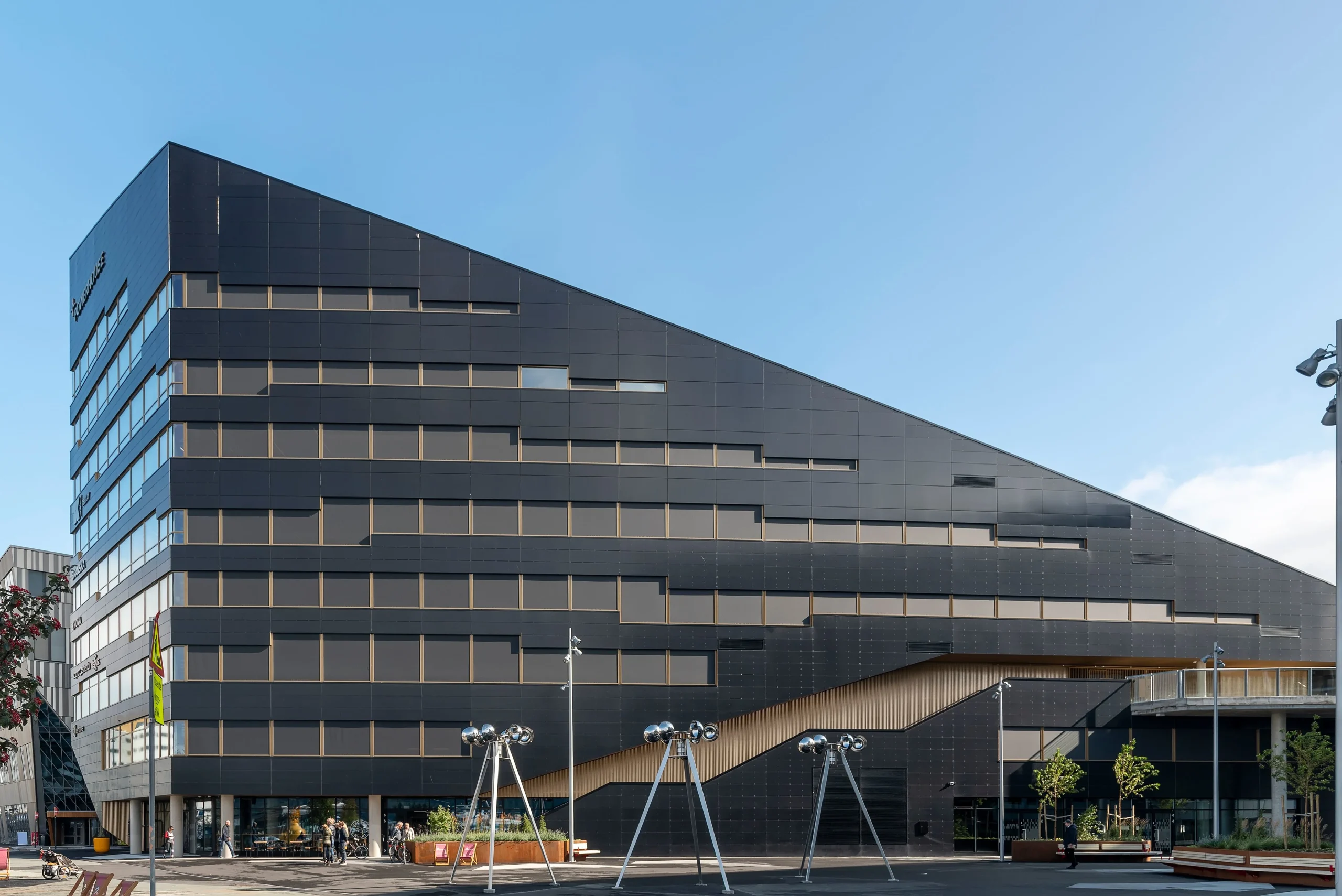
In the evolving canvas of modern architecture, few materials have transformed exterior design quite like Aluminium Composite Panels (ACP). As building owners and architects seek materials that balance aesthetic appeal with practical functionality, ACP has emerged as a compelling choice—a symphony of durability, versatility, and visual elegance that continues to reshape our urban landscapes.
But beyond the visual allure lies a practical question that echoes through every construction planning meeting: what’s the cost investment of choosing ACP for your building’s exterior?
This comprehensive guide illuminates the financial journey of incorporating ACP into your building facades—from initial investments to long-term returns that might not appear on your first spreadsheet.
Understanding ACP: The Foundation of Modern Exteriors
Before discussing costs, let’s examine what makes ACP a revolutionary exterior facade material. Aluminium Composite Panels consist of two aluminium sheets bonded to a core material, creating a sandwich-like structure that combines lightweight properties with remarkable strength.
This ingenious composition delivers a material that defies traditional construction limitations, offering:
- Exceptional durability against harsh weather conditions
- Lightweight structure reducing structural load requirements
- Versatile design possibilities with numerous finishes and colours
- Superior flatness for clean, modern aesthetics
- Simplified installation compared to traditional cladding materials
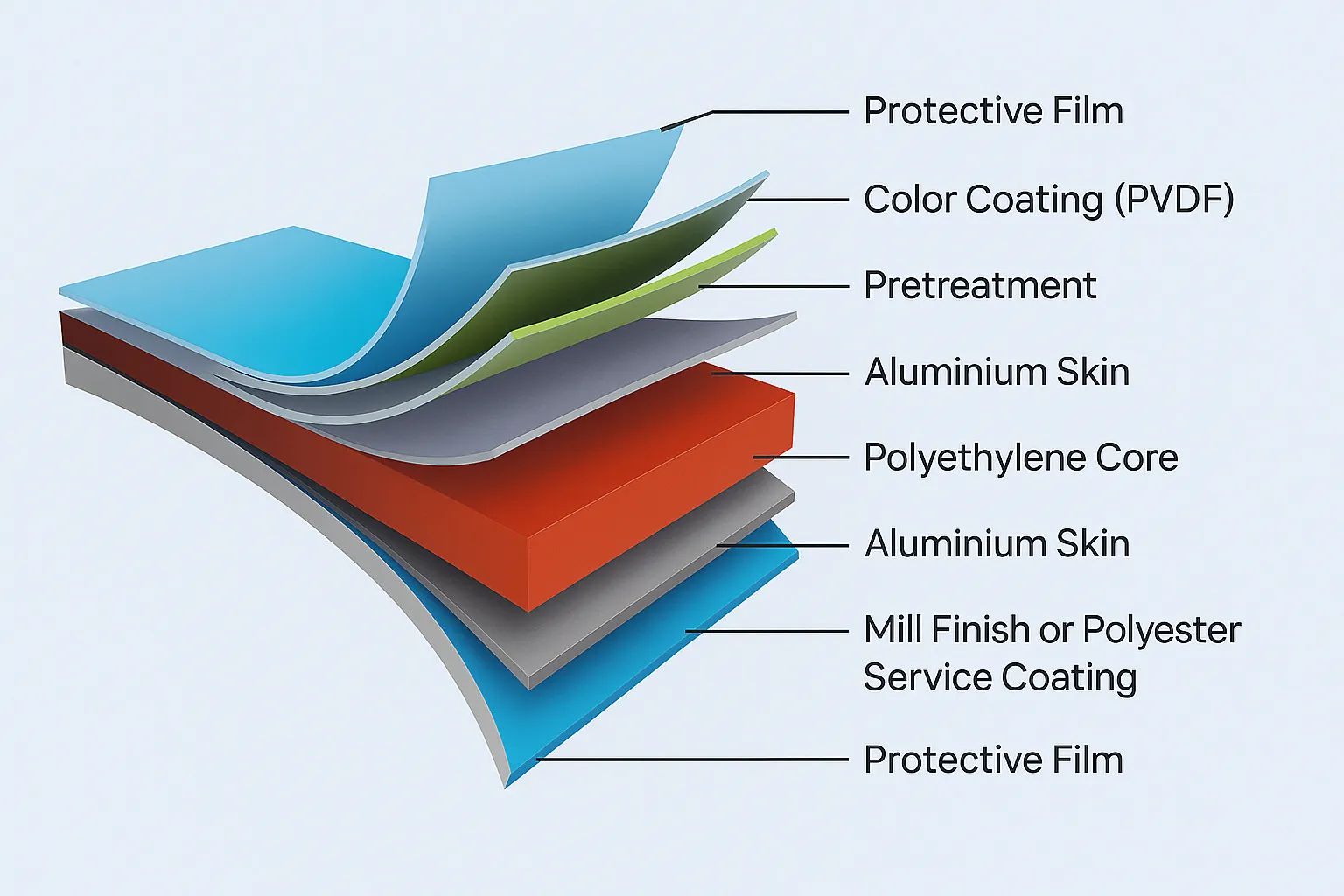
Breaking Down the Cost Components of ACP Installations
Investing in ACP exteriors involves several interconnected financial considerations that save your total project expenditure.
1. Material Costs: The Primary Investment
The foundation of your ACP budget begins with the panels themselves, typically priced around $15-$35 per square foot depending on:
- Panel Quality and Brand: Premium options like Sherabond offer superior durability and finish consistency, justifying their position in the higher range of pricing
- Core Material Type: Fire-resistant (FR) cores command a 20-30% premium over standard polyethene cores but provide essential safety benefits
- Thickness Specifications: Standard panels range from 3mm to 6mm, with thicker options increasing cost proportionally
- Finish Selection: While standard colours remain affordable, specialized finishes like metallic, wooden textures, or custom colours can increase material costs by 15-20%
2. Installation Expenses: The Expertise Investment
The installation process represents a significant portion of your overall budget, typically ranging from $5-$15 per square foot based on:
- Project Complexity: Simple flat surfaces versus intricate designs with numerous cuts and corners
- Building Height: Taller structures require specialized equipment and safety precautions
- Mounting System Selection: Wet-seal joint systems versus dry gasket or cassette systems
- Regional Labour Rates: Varying significantly based on location and contractor experience
3. Auxiliary Components: The Supporting Investment
Beyond the panels themselves, a complete ACP installation requires several supporting materials:
- Substructure Systems: Aluminium or steel framing ($3-$7 per square foot)
- Fasteners and Adhesives: High-quality weather-resistant options ($0.50-$2 per square foot)
- Sealants and Gaskets: Critical for weather protection ($1-$3 per square foot)
- Corner and Edge Finishing: Essential for professional aesthetics ($2-$5 per linear foot)
4. Design and Engineering: The Planning Investment
Professional architectural and engineering services typically add:
- Architectural Design: 8-15% of total project cost
- Structural Engineering: 5-8% of total project cost
- Thermal Performance Analysis: 1-3% of total project cost
- Compliance Documentation: 1-2% of total project cost
Total Cost Spectrum: What to Expect for Your Building
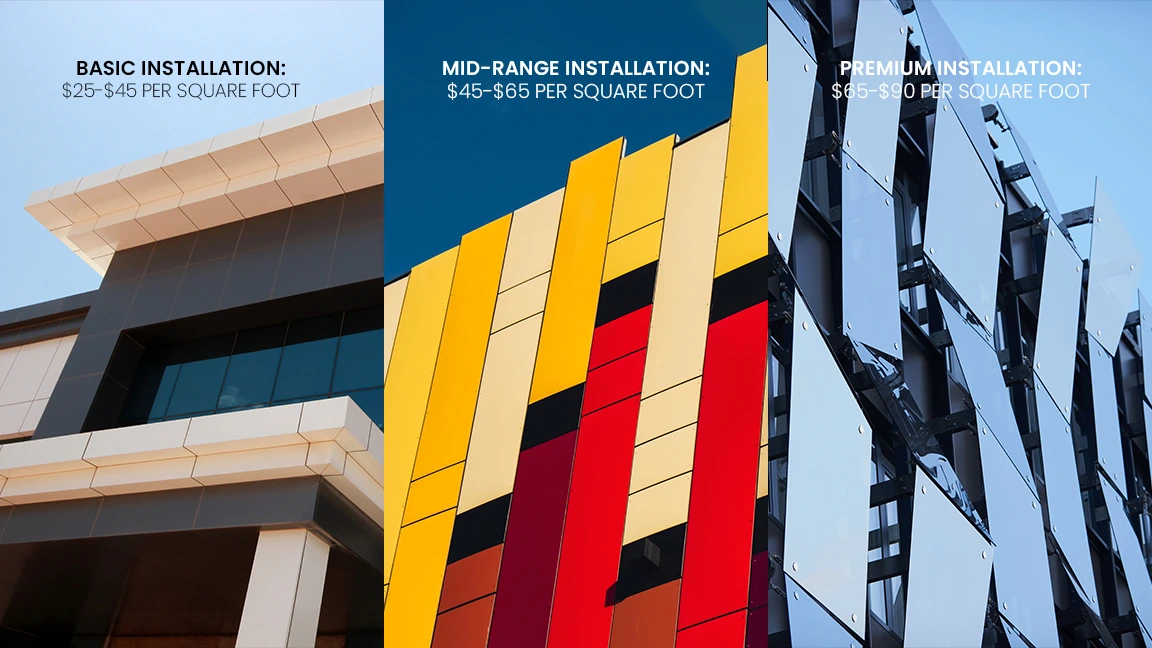
When all components are considered, the comprehensive cost for ACP exterior facades typically falls within these ranges:
- Basic Installation: $25-$45 per square foot
- Mid-Range Installation: $45-$65 per square foot
- Premium Installation: $65-$90 per square foot
For perspective, a medium-sized commercial building with 10,000 square feet of exterior cladding might see total costs ranging from $250,000 for basic installations to $900,000 for premium, highly customized solutions.
The Cost-Effective Advantage: Long-Term Financial Benefits
While the initial investment in ACP exteriors may appear substantial, their true cost-effectiveness emerges when viewed through the eyes of building lifecycle economics.
1. Extended Lifespan Savings
High-quality ACP installations like those using Sherabond panels typically last 30+ years with minimal degradation, compared to:
- Wood Cladding: Requiring replacement every 10-15 years
- Vinyl Siding: Showing significant wear after 15-20 years
- Painted Surfaces: Needing repainting every 5-7 years
This extended lifespan translates to avoided replacement costs that would otherwise accumulate with traditional materials.
2. Maintenance Cost Reduction
The self-cleaning properties and weather resistance of modern ACP finishes dramatically reduce maintenance requirements:
- Annual Maintenance Cost: $0.15-$0.35 per square foot (compared to $0.75-$1.50 for traditional materials)
- Cleaning Frequency: Typically 1-2 times annually versus 3-4 times for other materials
- Repair Incidents: 75% fewer repair interventions compared to conventional exteriors
3. Energy Efficiency Returns
The thermal performance of ACP systems delivers ongoing operational savings:
- HVAC Energy Reduction: 20-30% reduction in heating and cooling costs
- Thermal Bridging Minimization: Superior insulation performance compared to solid metal cladding
- Solar Reflection: Special finishes can reflect up to 70% of solar radiation, further reducing cooling demands
After ACP installation, a 50,000-square-foot commercial building might realize annual energy savings of $15,000-$25,000, creating substantial returns over the building’s lifetime.
4. Property Value Enhancement
The aesthetic and performance advantages of ACP exteriors frequently translate to tangible financial benefits:
- Rental Premium: 5-10% higher rental rates for buildings with modern, attractive exteriors
- Occupancy Rates: 12% higher occupancy rates in commercial properties with contemporary facades
- Resale Value: 7-15% increase in property valuation with well-executed ACP exterior renovations
Cost Comparison: ACP versus Alternative Exterior Materials
Understanding relative costs helps contextualize the ACP investment against alternative cladding options:
When evaluated across a three-decade timeline, ACP emerges as remarkably cost-effective despite higher initial investments, particularly considering the additional property value enhancement and energy savings not reflected in this simplified comparison.
| Material | Initial Cost (per sq ft) | Lifespan (years) | Maintenance Cost (annual per sq ft) | 30-Year Total Cost (per sq ft) |
| ACP (Standard) | $25-$45 | 30+ | $0.15-$0.35 | $29.50-$55.50 |
| ACP (Premium/FR) | $45-$90 | 40+ | $0.10-$0.25 | $48-$97.50 |
| Natural Stone | $35-$75 | 50+ | $0.40-$0.80 | $47-$99 |
| Brick Veneer | $25-$40 | 40+ | $0.30-$0.60 | $34-$58 |
| Fiber Cement | $10-$25 | 25-30 | $0.50-$0.90 | $25-$52 |
| Wood Siding | $8-$15 | 10-15 | $0.80-$1.50 | $56-$105 |
| Vinyl Siding | $5-$10 | 15-20 | $0.40-$0.70 | $29-$52 |
Factors Influencing ACP Cost Variations
Several variables dramatically influence the final cost equation for ACP installations:
1. Geographical Considerations
- Regional Material Availability: Transportation costs can add 5-15% in remote locations
- Local Building Codes: Fire-resistant requirements may necessitate premium core materials
- Climate Factors: Extreme environments might require enhanced fastening systems
2. Project Scale Economics
- Material Volume Discounts: Large projects can secure 10-20% material cost reductions
- Installation Efficiency: Bigger projects allow for optimized crew workflows and equipment utilization
- Fixed Cost Distribution: Engineering and setup costs spread across larger surface areas
3. Building Complexity
- Surface Irregularity: Non-standard shapes require additional cutting and wastage
- Height Factors: Every 10 floors typically adds 5-8% to installation costs
- Access Challenges: Limited work areas increase labour time and equipment requirements
Cost-Effective Strategies for ACP Implementation
Maximizing the value of your ACP investment involves thoughtful planning and strategic decisions:
1. Design Optimization
- Regional Material Availability: Transportation costs can add 5-15% in remote locations
- Local Building Codes: Fire-resistant requirements may necessitate premium core materials
- Climate Factors: Extreme environments might require enhanced fastening systems
2. Material Selection Wisdom
- Core Type Balancing: Using FR cores only where building codes require them
- Finish Selection Strategy: Choosing standard finishes for most areas with premium options for accent zones
- Thickness Appropriateness: Using thicker panels only where structural requirements demand them
3. Installation Approach
- Season Timing: Scheduling installation during optimal weather conditions
- Crew Expertise: Selecting contractors with specific ACP experience
- Installation System Selection: Choosing the appropriate mounting system for your building type
The Sherabond Advantage: Premium Quality at Competitive Value
When evaluating ACP options, Sherabond offers several distinctive advantages that enhance cost-effectiveness:
- Enhanced Coating Technology: Superior finish durability reducing long-term maintenance needs
- Precision Manufacturing: Tighter tolerances reduce installation complications and material waste
- Technical Support: Comprehensive design assistance optimizing material usage and installation efficiency
- Warranty Coverage: Extensive protection minimizing unexpected future expenses
- Sustainability Focus: Energy-efficient manufacturing reducing environmental impact and improving building performance
Conclusion: The True Economics of Exterior Facades
The journey through ACP costing reveals an insightful truth about architectural investments: true cost-effectiveness emerges not from minimizing initial expenditure but from maximizing lifetime value. When viewed through this lens, ACP exteriors represent not merely an expense but a strategic investment in building longevity, operational efficiency, and aesthetic appeal.
For building owners, developers, and architects seeking the optimal balance between upfront costs and long-term returns, ACP has proved to be a compelling solution—transforming buildings from mere structures into enduring assets that appreciate rather than depreciate over time.
As urban landscapes continue evolving, those who recognize the economic model of exterior facade selection will increasingly turn to materials like ACP that offer not just visual transformation but genuine financial wisdom embedded in every carefully engineered panel.